Time-Tested Watches, Lasting Value: My Journey Into Smart Luxury Investing
Have you ever held a watch that felt like more than just a timepiece? I remember standing in a quiet boutique, staring at a classic timepiece—not for its sparkle, but for its story. That moment changed how I saw value. Unlike volatile markets, certain luxury watches don’t just keep time—they gain worth. This isn’t about flaunting wealth; it’s about making thoughtful choices that stand the test of time. Let me walk you through how I discovered watches as a surprisingly solid path to preserving wealth. What began as admiration for craftsmanship slowly transformed into a disciplined approach to asset preservation, where passion and prudence walk hand in hand.
The Allure of Mechanical Mastery: Why Watches?
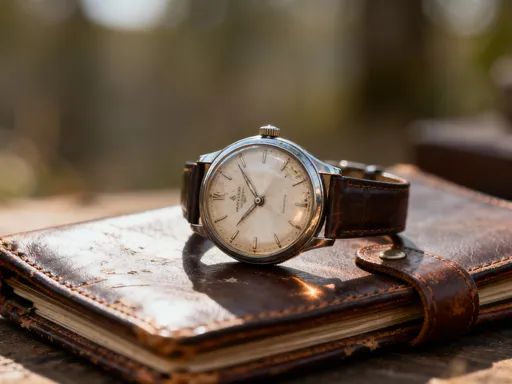
Mechanical watches represent a rare fusion of art, engineering, and legacy. Unlike digital devices that become obsolete within years, a well-made timepiece can function flawlessly for decades—or even centuries. At the heart of this enduring appeal is the intricate movement: a symphony of tiny gears, springs, and levers working in precise harmony. These movements are often assembled by hand, with some high-complication models requiring hundreds of hours to complete. This level of craftsmanship elevates the watch from mere accessory to heirloom.
What sets luxury watches apart is not just their function but their heritage. Brands like Patek Philippe, Rolex, and Audemars Piguet have spent generations refining their designs and movements, building reputations for reliability and excellence. Their most iconic models—such as the Rolex Submariner, Patek Philippe Nautilus, or Audemars Piguet Royal Oak—are instantly recognizable and deeply respected. This brand equity translates into lasting market demand, even during economic downturns. When confidence in financial markets wavers, collectors often turn to tangible assets with proven track records, and these watches consistently rank among the most sought-after.
Moreover, many high-end manufacturers produce in-house movements, meaning they design and build every component themselves. This vertical integration ensures quality control and distinguishes true luxury brands from those relying on generic parts. A watch with an in-house movement is more likely to retain value because it represents a unique expression of a brand’s technical mastery. Combined with limited production runs and timeless design, these elements create a powerful foundation for long-term appreciation. It’s not simply about owning something expensive—it’s about owning something that continues to matter.
From Passion to Portfolio: Recognizing Investment Potential
For many, collecting begins as a personal indulgence—an appreciation for beauty, history, or engineering. But over time, patterns emerge. Certain models consistently command higher prices on the secondary market, even when new versions are available. This is where emotional interest can evolve into financial insight. A watch purchased for $20,000 ten years ago might now be worth $60,000, not due to inflation, but because of growing demand and constrained supply. These are not isolated cases; they reflect a broader trend in how select timepieces behave as alternative assets.
Take, for example, the Rolex Daytona “Paul Newman,” a vintage model named after the actor who famously wore one. Once considered just another chronograph, it gained legendary status over time. In 2017, a single example sold at auction for $17.8 million, setting a record. While such extreme cases are rare, they illustrate a fundamental truth: watches with strong provenance, rarity, and cultural significance can appreciate dramatically. More recently, the steel Patek Philippe Nautilus 5711, discontinued in 2023, saw its market value nearly triple in anticipation of its final production year.
These examples highlight a key distinction: not all watches are investments, but some function like them. The difference lies in intention and knowledge. A speculative buyer might chase trends, while an informed collector evaluates historical performance, production data, and market sentiment. They understand that value is not created at the point of sale but over time, through consistency and credibility. When passion is guided by research, it transforms into a strategic asset class—one that offers both personal satisfaction and financial resilience.
The Core Principles of Watch Valuation: What Actually Holds Value?
Understanding what drives value in the watch market requires looking beyond aesthetics. While design plays a role, long-term appreciation hinges on a set of measurable factors. First among them is brand reputation. Watches from manufacturers with a sustained history of innovation and quality—such as Jaeger LeCoultre, Vacheron Constantin, or IWC Schaffhausen—tend to hold their ground better than those from less established names. These brands have spent decades, if not centuries, cultivating trust and desirability, which translates into market stability.
Equally important is model rarity. Limited edition releases, low production numbers, and discontinued lines often see increased demand over time. For instance, a model produced in only 500 units will naturally be more desirable than one made in the tens of thousands. However, scarcity alone is not enough. The model must also possess design longevity—meaning it remains stylish and relevant across generations. Watches that follow fleeting trends may sell well initially but lose appeal quickly. In contrast, pieces like the Cartier Tank or Omega Speedmaster have remained in demand for over half a century because their designs transcend fashion.
Historical significance also contributes to value. Watches associated with important events, figures, or milestones—such as those worn during space missions or by influential leaders—gain cultural weight. The Omega Speedmaster, for example, earned its nickname “Moonwatch” after being certified by NASA for space travel. This legacy enhances its desirability far beyond its technical specifications. Additionally, a complete service history adds credibility. A watch that has been regularly maintained by authorized centers is more likely to function properly and retain value. Missing documentation or signs of improper servicing can significantly reduce its worth, even if the exterior appears flawless.
Avoiding the Hype Trap: Risk Management in Watch Collecting
While the potential for appreciation is real, the watch market is not immune to speculation and volatility. One of the greatest risks collectors face is the “hype trap”—buying a model at the peak of popularity, only to see its value decline as trends shift. This often happens with new releases that generate intense media attention and social media buzz. Demand surges, prices inflate, and secondary market premiums soar. But without underlying fundamentals—such as limited production, strong heritage, or technical innovation—these gains can be short-lived.
Emotional buying is another common pitfall. The desire to own a “grail watch” can override rational judgment, leading collectors to overpay or stretch their budgets. Fear of missing out (FOMO) is especially powerful in online communities where scarcity is amplified and waiting lists are celebrated. However, patience often pays off. Many models that debut with sky-high premiums eventually stabilize in price once initial excitement fades and more units enter the market. Buying at that point, rather than at launch, can result in significant savings and better long-term returns.
Liquidity is another consideration. Unlike stocks or bonds, which can be sold instantly, watches require time and effort to sell at fair value. Auction houses, dealers, and private buyers all have different requirements and fee structures. A rushed sale—especially during a personal financial need—can result in accepting a low offer. Additionally, authenticity concerns persist in the secondary market. Counterfeit watches have become increasingly sophisticated, and even experienced collectors can be deceived without proper verification. To mitigate these risks, it’s essential to purchase from reputable sources, obtain certification, and maintain detailed records of ownership and service.
Building a Balanced Watch Portfolio: Strategy Over Speculation
Just as with financial investments, diversification is key to managing risk in watch collecting. A well-structured portfolio doesn’t rely on a single model or brand but includes a mix of proven performers and carefully selected outliers. The core of the portfolio should consist of established models with a track record of steady appreciation—such as the Rolex Datejust, Patek Philippe Calatrava, or Jaeger LeCoultre Reverso. These pieces may not offer explosive returns, but they provide stability and resilience during market fluctuations.
Alongside these staples, collectors can allocate a smaller portion of their budget to emerging or niche models. These might include independent watchmakers with growing reputations, such as F.P. Journe or H. Moser & Cie., or limited collaborations that generate cultural buzz. While these carry higher risk, they also offer the potential for outsized gains if they gain broader recognition. The key is balance—maintaining a majority position in reliable assets while allowing room for strategic exploration.
Setting clear acquisition budgets and holding timelines is another critical component of strategy. Impulse purchases, even on desirable models, can disrupt financial discipline. Instead, collectors should define annual spending limits and adhere to them, treating watch acquisitions like any other planned investment. Holding periods also matter. Most appreciation occurs over the long term—typically five to ten years or more. Selling too early means missing out on compound growth, while holding indefinitely requires confidence in the model’s enduring appeal. Regularly reviewing the portfolio allows for adjustments based on market trends, personal goals, and economic conditions, but decisions should be guided by data, not emotion.
The Hidden Costs of Ownership: Maintenance, Insurance, and Storage
Owning luxury watches involves ongoing responsibilities that many overlook at the time of purchase. Maintenance is one of the most critical. Mechanical watches require servicing every four to six years to ensure accuracy and longevity. A full service from an authorized center can cost anywhere from $500 to $3,000, depending on the brand and complexity. While this may seem steep, neglecting maintenance can lead to irreversible damage—such as worn gears, degraded lubricants, or water ingress—that drastically reduces value. A watch with a documented service history is not only more reliable but also more attractive to future buyers.
Insurance is another essential consideration. Given their value, luxury watches should be covered under a homeowner’s policy or a specialized collector’s insurance plan. Standard policies may not fully cover high-value items, so riders or scheduled personal property endorsements are often necessary. Premiums vary based on the total insured value, location, and claims history, but they provide peace of mind against loss, theft, or damage. Filing a claim with proper documentation—such as purchase receipts, appraisals, and photos—ensures a smoother process and fair compensation.
Proper storage is equally important. Watches should be kept in a controlled environment, away from extreme temperatures, humidity, and magnetic fields. A dedicated watch box or safe with soft lining protects against scratches and dust. For automatic watches not worn regularly, watch winders help maintain movement by simulating wrist motion, preventing the mainspring from fully unwinding. However, overuse of winders can cause unnecessary wear, so they should be used selectively. These seemingly small details collectively preserve both function and value, ensuring that the watch remains in optimal condition for years to come.
Exiting With Wisdom: When and How to Sell for Maximum Value
Selling a watch at the right time and through the right channel can make the difference between breaking even and realizing a meaningful gain. Timing the market requires awareness of trends, production cycles, and collector sentiment. For example, selling a model shortly after its discontinuation—when demand is high and supply is fixed—often yields the best returns. Conversely, selling during a period of oversupply or declining interest may result in lower offers. Monitoring auction results, dealer prices, and online marketplaces provides valuable insights into current valuations.
Choosing the right sales method is equally important. Auction houses like Christie’s, Sotheby’s, or Phillips specialize in high-end timepieces and attract serious collectors, often achieving premium prices. However, they charge seller’s fees, typically ranging from 10% to 25%, and the process can take months. Authorized dealers may offer quicker sales and authentication services, but they often buy at wholesale rates, which are significantly below retail. Private sales through trusted networks or platforms can yield higher returns, but they require more effort in terms of marketing, verification, and negotiation. Each option has trade-offs between speed, cost, and potential return.
Presentation also plays a crucial role. A watch sold with its original box, papers, service records, and extra bracelets commands higher value than one without documentation. Cleanliness and condition matter—professional polishing should be done carefully, as over-polishing removes metal and alters the case shape, reducing authenticity. When possible, having the watch serviced before sale ensures it runs accurately and enhances buyer confidence. Ultimately, a successful exit is not about finding the first buyer but the right one—someone who recognizes the watch’s true worth and is willing to pay accordingly. This disciplined approach reflects the same care taken in acquiring the piece.
The journey from admiration to informed ownership is one of patience, learning, and respect for craftsmanship. Luxury watches, when chosen wisely, offer more than aesthetic pleasure—they serve as tangible stores of value in an intangible world. Unlike digital assets or volatile stocks, they are physical objects with history, purpose, and enduring appeal. They do not promise overnight riches, nor are they a substitute for a diversified financial plan. But for those who approach collecting with thoughtfulness and discipline, they represent a rare convergence of passion and prudence. In a world of fleeting trends, a well-chosen watch keeps not just time, but value.