Lost in the Magic of Sofia’s Hidden Corners
You know that feeling when a city surprises you? I arrived in Sofia with low expectations, but wow—this place is absolutely stunning. From ancient ruins tucked between modern streets to mountain views that take your breath away, Sofia’s scenic spots are mind-blowing. I’m talking real, raw beauty that you gotta see to believe. This isn’t just another European capital—it’s a secret waiting to be explored. With its layered history, vibrant street life, and nature just minutes from downtown, Sofia offers a travel experience that feels both enriching and refreshingly unpretentious. It’s a city where the past isn’t preserved behind glass but lives in the rhythm of everyday life.
First Impressions: Stepping Into a City Where East Meets West
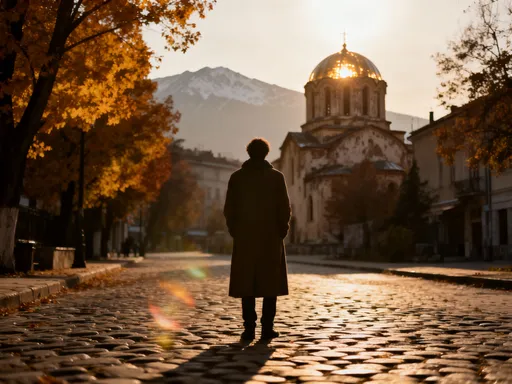
Sofia greets visitors not with grand fanfare but with quiet confidence, a city shaped by centuries of shifting empires and cultural currents. Located at the crossroads of Eastern and Western Europe, it carries the imprints of Thracian settlers, Roman administrators, Byzantine scholars, Ottoman rulers, and Soviet planners. Yet rather than feeling disjointed, Sofia’s blend of influences creates a harmonious mosaic. Tree-lined boulevards stretch beneath golden domed churches, while neoclassical facades stand shoulder to shoulder with socialist-era apartment blocks. There’s no attempt to erase the past—instead, each layer is visible, respected, and lived in.
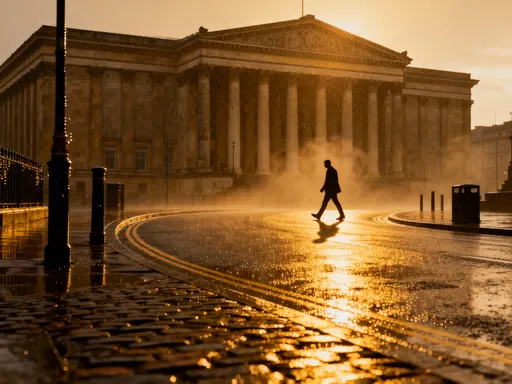
Arriving in late autumn, I was struck by the soft, honeyed light that bathed the city in the late afternoon. The National Theatre of Bulgaria, with its elegant columns and grand staircase, glowed under the sun, while stray cats curled up on heated benches in the plaza, undisturbed by the steady flow of pedestrians. Locals moved with a calm purpose—women in long coats sipping tea from paper cups, men reading newspapers at outdoor kiosks, children laughing near fountains that sparkled in the breeze. There was no rush, no pressure to perform, just the gentle pulse of urban life unfolding at its own pace.
What sets Sofia apart from other European capitals is its authenticity. Unlike cities that cater heavily to tourists with polished attractions and scripted experiences, Sofia remains deeply rooted in daily life. You won’t find souvenir shops on every corner or guided tours shouting through megaphones. Instead, you’ll stumble upon a centuries-old church tucked behind a grocery store, or a quiet courtyard where grandmothers knit and share stories in hushed tones. This isn’t a city performing for visitors—it’s one simply being itself, and that honesty is what makes it so compelling.
Alexander Nevsky Cathedral: A Spiritual Landmark That Stops You in Your Tracks
Rising above Sofia’s central square like a vision from another era, the Alexander Nevsky Cathedral is impossible to miss. With its six green domes, golden crosses, and imposing neo-Byzantine architecture, it stands as both a religious sanctuary and a national symbol. Constructed in the early 20th century to honor the 200,000 Russian soldiers who died liberating Bulgaria from Ottoman rule during the Russo-Turkish War of 1877–1878, the cathedral is more than just a monument—it’s a living place of worship where tradition and reverence endure.
Stepping inside, the atmosphere shifts immediately. The air is cool and carries the faint, soothing scent of incense. Soft light filters through the high windows, illuminating walls covered in intricate frescoes and gilded icons. The central dome features a majestic image of Christ Pantocrator, his gaze both solemn and compassionate. Visitors speak in hushed tones, if at all, and many light candles or make the sign of the cross as they move through the nave. Despite the steady stream of tourists, the cathedral maintains a profound sense of peace, a rare quality in such a prominent landmark.
One of the most striking aspects of the Alexander Nevsky Cathedral is its dual role as both a tourist attraction and a functioning place of worship. Orthodox services are held regularly, and locals come to pray, light candles for loved ones, or simply find a moment of stillness. This coexistence of tourism and devotion is handled with grace—visitors are welcome, but they are expected to dress modestly and behave respectfully. Women are offered scarves at the entrance, and shoulders and knees must be covered, a small but meaningful gesture that honors the sanctity of the space.
The cathedral’s significance extends beyond religion. It represents a pivotal moment in Bulgaria’s modern history—the restoration of independence after nearly 500 years of Ottoman rule. The choice to build such a grand Orthodox cathedral in the heart of the capital was a powerful statement of national identity. Today, it continues to serve as a symbol of resilience, faith, and cultural pride. For visitors, it offers not just visual splendor but a deeper understanding of the values that shape Sofia and its people.
Vitosha Boulevard: The Beating Heart of Urban Sofia
If Alexander Nevsky Cathedral represents Sofia’s spiritual center, then Vitosha Boulevard is its social soul. This wide, pedestrian-only street stretches from the city’s central square toward the foothills of Mount Vitosha, serving as a lively artery of urban life. From early morning until late at night, it pulses with energy—locals meeting for coffee, street performers entertaining small crowds, and shoppers browsing boutiques and bookstores. Unlike the grand boulevards of Paris or Vienna, Vitosha doesn’t aim for opulence. Its charm lies in its simplicity, its accessibility, and its deep connection to everyday life.
A perfect afternoon on Vitosha Boulevard begins with a stop at a small corner bakery. The scent of fresh banitsa—Bulgaria’s beloved cheese-filled pastry—drifts through the air, mingling with the aroma of strong, dark coffee. Cafés spill onto the cobblestones, their outdoor tables filled with people reading, chatting, or simply watching the world go by. I sat at one such table, sipping a cold black coffee while a violinist played a soft rendition of a traditional folk tune nearby. The music wasn’t loud or intrusive—just a gentle soundtrack to the rhythm of the street.
As the afternoon wore on, the boulevard revealed more of its character. Artists set up easels, sketching portraits for a small fee. A group of elderly men played chess under a canopy, their moves slow and deliberate. Teenagers lounged on benches, sharing headphones and laughing at videos on their phones. The mountain loomed in the distance, its peak dusted with early snow, a constant reminder that nature is never far from Sofia’s urban core. There’s a democratic quality to Vitosha Boulevard—everyone is welcome, no matter their age, background, or purpose for being there.
What makes this street truly special is its ability to foster connection. It’s not just a place to walk or shop—it’s a place to be seen, to meet friends, to participate in the life of the city. Families stroll hand in hand, couples share ice cream, and solo travelers find a seat and absorb the atmosphere. In a world where digital interactions often replace face-to-face ones, Vitosha Boulevard stands as a testament to the enduring value of public space. It’s where Sofia’s community comes alive, one coffee, one conversation, one smile at a time.
Mount Vitosha: Nature’s Playground Just Minutes from the City
One of Sofia’s greatest gifts is its proximity to nature, and Mount Vitosha is the crown jewel of that relationship. Rising just 10 kilometers south of the city center, this 2,290-meter peak offers a dramatic escape into alpine scenery without requiring a long journey or expensive gear. Thanks to reliable public transportation—including bus lines that run directly from the city center—hikers, families, and outdoor enthusiasts can reach trailheads in under 30 minutes. This accessibility makes Vitosha not just a weekend destination but an integral part of Sofia’s daily rhythm.
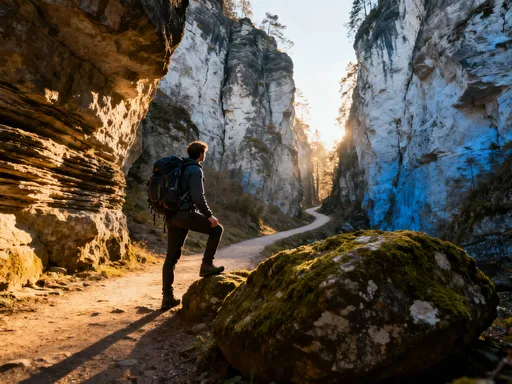
I chose to hike the Cherni Vrah trail, the most popular route to the summit. Within minutes of leaving the last bus stop, the city’s noise faded, replaced by the rustle of leaves and the occasional call of a bird. The path was well-marked, with wooden signs in both Bulgarian and English, and the incline was steady but manageable. As I climbed, the forest shifted—from deciduous trees to dense pine—while wildflowers dotted the trail in shades of purple and yellow. Along the way, I passed hikers of all ages: retirees with walking poles, young couples with backpacks, and children bounding ahead with boundless energy.
Reaching the summit was nothing short of breathtaking. On a clear day, the panoramic view stretches across the Sofia Valley, with the city’s skyline framed by rolling hills and distant mountain ranges. I sat on a rock, unwrapped a sandwich I’d packed, and watched as clouds drifted below me. It was hard to believe that just an hour earlier, I had been walking through busy city streets. This kind of natural immersion, so close to urban life, is rare in Europe—and Vitosha delivers it with ease.
Mount Vitosha isn’t just a summer destination. In winter, it transforms into a popular skiing and snowboarding area, with several small resorts offering rentals and lessons. Even those who don’t ski can enjoy snowshoeing or sledding, and the mountain huts serve warm soups and herbal teas to cold travelers. Year-round, Vitosha remains a sanctuary for locals seeking fresh air, exercise, and a break from the pace of city life. For visitors, it offers a chance to experience Bulgaria’s natural beauty in a safe, welcoming, and well-maintained environment.
The Serdica Ruins: Ancient History Under Your Feet
Beneath Sofia’s modern streets lies an entire ancient city—Serdica, once a thriving Roman capital and a key administrative center in the empire’s eastern provinces. Founded in the 1st century AD, Serdica flourished for centuries, boasting temples, public baths, an amphitheater, and a network of colonnaded streets. When construction crews uncovered these ruins during subway expansions in the early 2000s, they didn’t cover them up or move them—they integrated them into the city’s fabric. Today, glass panels in the Serdica Metro Station allow passersby to look down and see the ancient roadways and foundations just beneath their feet.
Standing above those ruins, I felt a deep sense of connection to the past. These were not distant relics in a museum case but real, tangible remnants of daily life from over 1,700 years ago. You can see the grooves worn into the stone by Roman carts, the layout of market stalls, and the remains of a temple dedicated to Jupiter. Archaeologists continue to uncover new artifacts, and ongoing excavations suggest that much of Serdica still lies hidden beneath modern buildings. The city isn’t just built on history—it lives atop it.
What makes the Serdica Ruins so powerful is their accessibility. Unlike ancient sites that require a separate ticket and a long drive, these ruins are part of the everyday commute. Office workers glance down as they rush to meetings. Tourists pause on their way to the cathedral. Children press their hands against the glass, imagining life in togas and sandals. This integration of history into daily life fosters a quiet respect for the past, not as something distant and academic, but as a living, breathing presence.
The ruins also highlight Sofia’s resilience. Over the centuries, the city has been ruled by Romans, Byzantines, Bulgarians, Ottomans, and Soviets—each leaving their mark. Yet through invasions, fires, and political upheavals, the heart of the city remained. Serdica’s survival is a metaphor for Sofia itself: layered, enduring, and constantly evolving. To walk through modern Sofia is to walk through time, with every step connecting the present to the ancient past.
Ivan Vazov Park and the City’s Green Soul
Among Europe’s capital cities, Sofia stands out for its abundance of green space. Nearly 42% of the city is covered in parks, gardens, and tree-lined avenues, making it one of the greenest capitals on the continent. At the heart of this urban forest lies Ivan Vazov Park, a sprawling oasis in the city center that offers shade, serenity, and a glimpse into the rhythms of local life. Named after Bulgaria’s most celebrated writer, the park is more than just a scenic retreat—it’s a living space where generations gather, traditions unfold, and nature thrives amid the bustle of city life.
I visited in early spring, when cherry blossoms framed the neoclassical buildings of Sofia University and the air carried the sweet scent of blooming linden trees. Pathways wound through lush lawns, past bubbling fountains and quiet benches where elderly couples sat holding hands. Students sprawled on the grass with textbooks, while others practiced tai chi near a small pond, their movements slow and deliberate. A group of children chased pigeons, their laughter echoing under the canopy of trees. There was no agenda, no performance—just life unfolding in its simplest, most beautiful form.
What makes Ivan Vazov Park so special is its role as a communal space. It’s not designed for spectacle but for presence. Locals come here to relax, reflect, and connect—with nature, with each other, with themselves. In the mornings, you’ll see joggers and dog walkers; in the evenings, families gather for picnics or stroll along the tree-lined paths. The park hosts seasonal events—outdoor concerts, book fairs, cultural festivals—but even on quiet days, it pulses with a gentle energy.
This emphasis on green space reflects a deeper value in Bulgarian culture: the importance of balance. Life in Sofia isn’t just about work, commerce, or progress—it’s also about rest, beauty, and connection to the natural world. In a time when many cities are becoming denser and more concrete, Sofia’s commitment to parks and open spaces feels like a quiet act of resistance. It reminds us that well-being isn’t just about efficiency or productivity—it’s also about moments of stillness, shade, and shared humanity.
Why Sofia’s Beauty Lies in Its Contradictions
Sofia doesn’t try to be perfect—and that’s exactly what makes it beautiful. It doesn’t hide its scars or polish over its imperfections. Crumbling plaster peels from 19th-century buildings while sleek cafes with minimalist interiors open next door. Orthodox priests in long robes walk past teenagers in ripped jeans and band t-shirts. A golden-domed church shares a block with a Soviet-era department store. Yet these contrasts don’t clash—they coexist in a kind of quiet harmony. This is a city that embraces complexity, where beauty isn’t found in perfection but in authenticity.
In an age of highly curated travel experiences—where destinations are filtered, branded, and optimized for Instagram—Sofia stands apart. It doesn’t perform. It doesn’t pretend. You won’t find themed streets or recreated historical villages. Instead, you’ll find real neighborhoods, real people, and real life. A grandmother sells homemade jams at a market stall. A man repairs shoes at a tiny storefront that’s been in his family for decades. A group of friends shares a bottle of wine on a park bench, their conversation drifting into the night.
This authenticity is Sofia’s greatest gift to the traveler. It invites you not just to see the city but to feel it—to walk its streets, taste its food, and witness its quiet rituals. It asks you to slow down, to look closely, to appreciate the beauty in the ordinary. And in doing so, it offers something increasingly rare: a sense of connection, not just to a place, but to the shared human experience.
More than any monument or scenic view, it’s this feeling that stays with you. Sofia doesn’t dazzle—it reveals. It doesn’t impress—it welcomes. And in a world where so many destinations feel manufactured, that honesty is nothing short of magical. To visit Sofia is not just to travel to a new city, but to remember what travel is truly for: discovery, reflection, and the quiet joy of being present in a place that feels real.