Where Ancient Craft Meets Mountain Air: Pokhara’s Hidden Architectural Soul
Nestled between misty hills and a tranquil lake, Pokhara isn’t just a gateway to the Himalayas—it’s a living museum of quiet beauty. I wandered its backstreets and village trails, stunned by how architecture here tells stories without words. From slate-roofed Newari homes to whitewashed prayer halls clinging to cliffs, every structure feels rooted in harmony—with nature, culture, and time. This isn’t just travel; it’s witnessing how people build life into landscapes. In a world where cities grow louder and more uniform, Pokhara’s buildings stand as gentle reminders that design can be both functional and sacred. They do not shout for attention but whisper wisdom through carved wood, sun-warmed stone, and rooftops shaped by centuries of rain and wind.
First Impressions: Beyond the Postcard Views of Pokhara
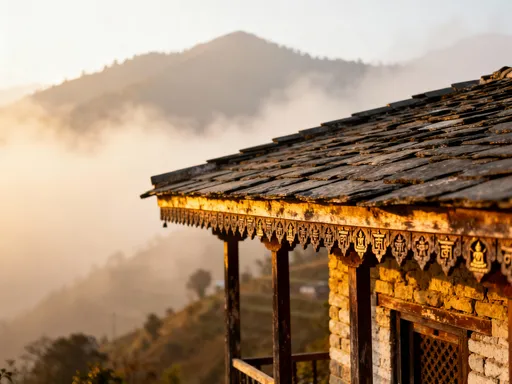
Upon arrival, Pokhara greets visitors with a vibrant lakeside energy—colorful cafes line the shore, trekkers sip coffee under sun umbrellas, and paragliders drift like kites above the valley. The view of Annapurna stretching across the horizon is breathtaking, but it only captures one layer of this city’s soul. Most travelers linger along the lakefront, yet the deeper architectural story unfolds further inland, in quiet alleys and elevated paths where time moves differently. Here, homes are not built for photographs but for life, shaped by generations of lived experience. Sloped roofs with overlapping slate tiles tilt just enough to shed monsoon rains, while deep wooden eaves cast long shadows during summer afternoons. These features are not decorative—they are responses to climate, terrain, and tradition.
Look closely at a typical house on a side street near Baidam and you’ll notice small carvings above doorways: lotus patterns, eyes of Buddha, or protective deities etched into timber. These details go unnoticed by many, but they speak volumes about the values embedded in local design. Architecture here does not separate the spiritual from the practical. A home’s orientation might align with auspicious directions; windows are placed to catch morning light for rituals. Even in newer constructions, remnants of this thinking persist. The real character of Pokhara reveals itself not in postcard panoramas, but in these subtle gestures—where every beam, stone, and threshold carries meaning. To see them, one must slow down, step off paved tourist routes, and walk where daily life unfolds.
The Heart of Tradition: Newari Craftsmanship in Old Settlements
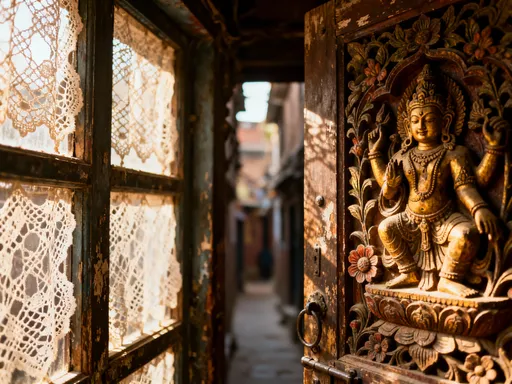
Just beyond the modern sprawl lie historic villages like Khemi and Sedi, where Newari communities have safeguarded architectural traditions for centuries. These settlements are not preserved relics behind glass but living neighborhoods where ancestral skills continue to shape homes and courtyards. The Newari people, known for their mastery in woodwork, masonry, and urban planning, built homes that balance privacy with community. Central courtyards—called choks—serve as heartbeats of family life, hosting everything from morning prayers to evening meals and seasonal festivals. Surrounded by two-story structures with intricately latticed windows, these open spaces allow air and light to circulate naturally, creating microclimates suited to the region’s variable weather.
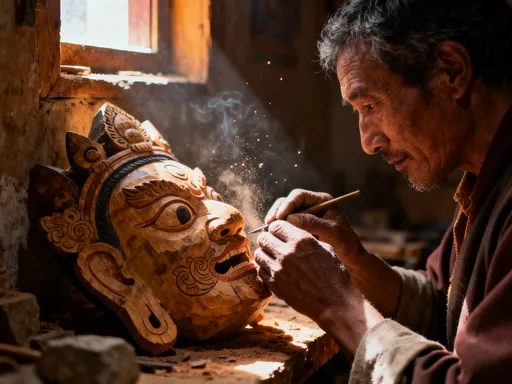
Walls are made from sun-dried bricks, laid with precision and coated in a smooth layer of mud plaster mixed with straw. This natural composite breathes, regulating indoor humidity and temperature far more effectively than concrete. Wooden columns, often carved with floral motifs or guardian figures, support upper floors and balconies. The craftsmanship in window frames—known as tanjyas—is especially remarkable: each piece is hand-chiseled, with geometric patterns that filter light and offer privacy while maintaining connection to the outside world. These homes were never intended to last merely decades; they were built to endure generations, repaired and renewed rather than replaced.
Despite pressures from urban development and shifting lifestyles, many families continue to maintain these homes using traditional methods. Some younger generations return after years in cities, choosing to restore ancestral houses instead of building modern apartments. This resilience is not just structural—it is cultural. When a family rebuilds a courtyard using original techniques, they are not only preserving a building; they are reaffirming identity, memory, and belonging. In an age of rapid change, such continuity offers quiet resistance to cultural erosion, proving that heritage can thrive when rooted in daily life.
Sacred Geometry: Temples and Monasteries Shaped by Belief
Scattered across Pokhara’s hills and valleys, temples and monasteries reflect a deep integration of faith and form. Unlike monumental religious sites designed to impress, many of these structures are modest in scale but profound in intention. The Bindhyabasini Temple, perched on a ridge with sweeping views of the lake, exemplifies this harmony. Built in the classic Nepali pagoda style, its tiered roof rises in gentle layers, symbolizing ascent toward the divine. Constructed from wood and brick, the temple’s symmetry and orientation follow Vastu Shastra principles, aligning sacred space with cosmic order. Pilgrims climb stone steps worn smooth by centuries of footsteps, entering a space where silence amplifies devotion.
Further afield, smaller shrines and meditation gompas dot the landscape, often accessible only by foot. These remote sanctuaries are not built to accommodate crowds but to foster contemplation. Their placement—facing east to greet the sunrise, nestled into natural rock formations, or surrounded by ancient trees—reveals a design philosophy that honors the sacredness of the land itself. Prayer wheels line stone pathways, their rhythmic turning believed to carry mantras into the wind. Walls are painted with protective symbols, and rooftops are adorned with golden finials shaped like flames, representing enlightenment.
What makes these spaces architecturally significant is not ornamentation alone, but how every element serves a spiritual purpose. Doorways are low, requiring visitors to bow upon entry—a physical act of humility. Interiors are kept simple, with dim lighting and minimal furnishings to reduce distraction. Materials are chosen for their resonance: bells made of bronze, floors of compacted earth, and wooden beams that creak softly in the wind, like whispers from the past. In blending Hindu and Buddhist influences, these structures embody a shared reverence for balance, impermanence, and interconnectedness. They are not museums of religion but active vessels of practice, where architecture becomes a silent guide to inner stillness.
Building with the Land: How Terrain Shapes Design
Pokhara’s dramatic topography—steep slopes, river valleys, and landslide-prone zones—has always dictated how people build. Unlike flatland cities where grids dominate, this region demands architecture that listens to the earth. In villages like Sarangkot and Jhinu Danda, homes are carefully positioned on terraced foundations, their bases supported by hand-built stone walls that prevent soil erosion. These retaining walls, constructed without mortar, allow water to pass through while holding the ground firm, a technique refined over generations. Houses are often elevated on stone plinths, protecting them from seasonal flooding and improving airflow beneath wooden floors.
Construction here cannot follow standardized plans. Each home must be adapted to its specific slope, drainage pattern, and exposure to sun and wind. Builders assess the lay of the land before laying a single stone, ensuring that structures do not disrupt natural water flow or destabilize fragile slopes. In higher elevations, where temperatures drop at night, homes are compact and inward-facing, minimizing surface area exposed to cold. Windows are smaller, and roofs steeper, designed to shed snow and retain heat. In lower, more humid zones, open verandas and high ceilings promote ventilation, reducing moisture buildup that could damage timber.
This responsive design is not merely practical—it reflects a philosophy of coexistence. Rather than conquering the landscape, local builders work with it, accepting its constraints as guides rather than obstacles. Even modern homes in rural areas often incorporate these principles, using local knowledge to inform safer, more sustainable construction. When done well, this approach results in buildings that feel grounded, not imposed. They appear to grow from the land, shaped by its rhythms and respecting its power. In a time of increasing environmental uncertainty, such wisdom offers valuable lessons in resilience and humility.
Materials That Breathe: Earth, Wood, and Stone in Daily Life
One of the most striking aspects of traditional Pokhara architecture is its reliance on natural, locally sourced materials. Slate for roofing is hand-chipped from nearby quarries, each piece shaped to fit seamlessly with its neighbors. River stones, smoothed by centuries of water, form sturdy foundations and boundary walls. Timber—often sal or deodar wood—is harvested from managed forests, selected for strength and resistance to insects. These materials are not only sustainable but also responsive to the region’s climate. Earth walls, made from a mix of clay, sand, and organic fibers, expand and contract with humidity, preventing cracks. Wooden beams flex slightly during minor tremors, absorbing seismic energy without collapsing.
In contrast, modern buildings using concrete, steel, and glass often struggle in this environment. Concrete traps moisture, leading to damp interiors and mold growth. Metal roofs heat up quickly under the midday sun, making upper floors unbearable in summer. Many newer homes require fans or air conditioning to remain comfortable—luxuries that strain local energy resources. Meanwhile, traditional houses maintain stable indoor temperatures year-round, staying cool in summer and warm in winter without mechanical systems. Local builders often remark that homes made from natural materials “breathe,” creating a sense of comfort that synthetic alternatives cannot replicate.
Interviews with masons and carpenters in outlying villages reveal a deep respect for material integrity. They speak of knowing when wood is properly seasoned, how to test soil composition for plaster, and why certain stones are better for load-bearing walls. This knowledge is passed down orally, learned through apprenticeship rather than textbooks. While some younger builders are adopting modern tools and methods, many still prioritize natural materials when possible, recognizing their durability and cultural value. There is growing awareness that sustainability is not a new trend but an inherited practice—one that deserves protection and revival in an era of environmental challenge.
Between Old and New: The Quiet Struggle of Urban Growth
As Pokhara expands, particularly in the Lakeside district and surrounding neighborhoods, a quiet tension emerges between preservation and progress. Glass-fronted hotels, multi-story guesthouses, and paved roads now dominate areas once lined with orchards and traditional homes. Economic growth brings opportunity, but it also risks erasing the very qualities that make the city unique. Some new constructions ignore local design principles entirely, blocking natural drainage, obstructing views, and using materials unsuited to the climate. The rise of concrete architecture, while faster and cheaper to build, often lacks the character and comfort of older styles.
Yet, not all change is detrimental. A growing number of architects and homeowners are seeking a balanced path—integrating traditional aesthetics with modern needs. Some new buildings feature sloped roofs with slate tiles, carved wooden eaves, and courtyards inspired by Newari design, while incorporating earthquake-resistant techniques and energy-efficient insulation. Homestays in village outskirts blend local materials with accessible layouts, offering guests an authentic experience without sacrificing safety or comfort. These projects demonstrate that modernization need not mean cultural loss.
The challenge lies in policy and awareness. While some heritage zones are officially protected, enforcement remains inconsistent. Many families face difficult choices: preserve an aging home using costly traditional methods or rebuild with modern materials for rental income. Without stronger support—such as incentives for heritage conservation or training in traditional craftsmanship—valuable knowledge may fade. The future of Pokhara’s architectural identity depends not on freezing the past, but on thoughtful evolution—where innovation respects roots, and growth honors memory.
Traveler’s Lens: How to See Architecture Like a Local
For visitors, engaging with Pokhara’s architecture need not require expertise—only curiosity and respect. Begin by walking beyond the tourist hubs. Explore neighborhoods like Dhampus, Lumbin, or the quieter lanes of Old Pokhara, where daily life unfolds without performance. Wander slowly, noticing how homes are positioned, how materials age, and how people interact with their surroundings. Avoid photographing private homes without permission, but feel free to admire details from a distance—carved windows, prayer flags fluttering above doorways, or the way light falls on a courtyard wall at dawn.
Consider staying in a locally run homestay or eco-lodge that incorporates traditional design. These accommodations often provide deeper insight into domestic life and building practices. Participate in a craft workshop—wood carving, mud plastering, or slate laying—if available. Even brief hands-on experience fosters appreciation for the skill behind each structure. Guided village walks led by residents offer another meaningful way to learn, as stories about family homes, temple renovations, and seasonal repairs bring architecture to life.
Ask thoughtful questions when appropriate: “Why are the windows shaped this way?” or “How do homes stay cool in summer?” Most locals welcome genuine interest, especially when it comes without intrusion. Avoid treating homes or temples as backdrops for photos; instead, approach them as living expressions of culture. By slowing down and observing mindfully, travelers move beyond sightseeing to true connection—seeing not just buildings, but the values, history, and care embedded within them.
Conclusion: Structures That Hold Stories
Pokhara’s architecture is more than shelter—it is memory made tangible, culture shaped in wood and stone. From the carved windows of Newari courtyards to the quiet sanctuaries perched on mountain edges, these structures connect past and present, people and land. They reflect a way of building that listens—to rain, wind, slope, and spirit—rather than imposing will upon the world. In an era of global homogenization, where cities increasingly look alike, Pokhara offers a powerful alternative: a model of design rooted in place, purpose, and continuity.
Travelers who take the time to see beyond the surface—to notice how a roof sheds rain, how a doorway welcomes light, how a temple aligns with the rising sun—discover a deeper layer of meaning. These buildings do not speak in loud declarations but in quiet gestures, inviting us to pause, observe, and reflect. They remind us that beauty and function need not be separate, that tradition and innovation can coexist, and that homes can be acts of love as much as necessity.
As you walk through Pokhara’s hills and villages, let the walls speak. Let the craftsmanship inspire care. And carry forward a simple truth: that the most enduring structures are not those that tower highest, but those that grow gently from the earth, shaped by hands that know and honor the land. In seeing architecture this way, we do not just visit a place—we begin to understand it.