What Happens When You Dive Into Ziguinchor’s Real Senegal
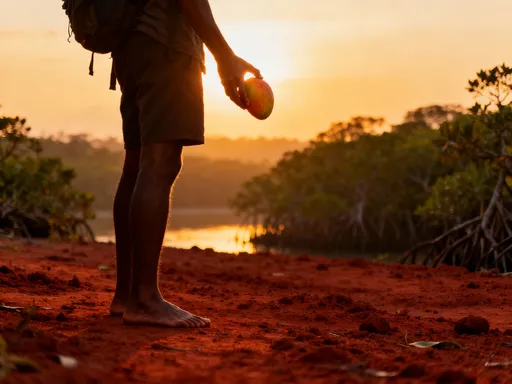
You know that feeling when a place just *gets* you? Ziguinchor isn’t just another dot on the map—it’s a rhythm, a taste, a slow river winding through deep green. I went looking for sights but found something richer: real moments. From drumbeats at sunrise to mangoes eaten barefoot on red soil, this corner of Senegal doesn’t perform culture—it lives it. If you’re craving travel that feels *true*, not staged, stick around. This is what authentic West African life feels like when you step off the script.
Why Ziguinchor Stands Apart in Senegal’s Travel Landscape
Situated in southern Senegal, Ziguinchor serves as the cultural and administrative heart of the Casamance region, a lush, tropical expanse that contrasts sharply with the drier, more arid north. This area, separated from the rest of the country by The Gambia, enjoys a unique identity shaped by its geography, history, and people. While northern Senegal often draws tourists with its colonial architecture in Saint-Louis or the bustling energy of Dakar, Casamance offers a quieter, more introspective journey—one defined by verdant rice fields, meandering rivers, and a deeply rooted sense of community.
The Diola (or Jola) people, the predominant ethnic group in the region, have preserved traditions that predate colonial rule. Their agricultural practices, spiritual beliefs centered around nature, and communal governance systems reflect a way of life that values balance and sustainability. Unlike many regions where modernity has overshadowed indigenous customs, here, tradition is not a performance for visitors—it is woven into the rhythm of daily existence. Homes are built with local materials, farming follows lunar cycles, and ceremonies mark seasonal transitions with reverence and joy.
Historically, Casamance has maintained a distinct path within Senegalese national identity. Though part of Senegal, the region experienced a low-intensity conflict in the late 20th century driven by calls for greater autonomy. However, in recent years, peace has taken root, and Ziguinchor has emerged as a destination where travelers can experience both cultural resilience and warm hospitality. The legacy of French colonialism remains visible in the architecture and language, but it is the enduring strength of local culture that defines the region today.
What makes Ziguinchor especially appealing to modern travelers is its resistance to mass tourism. There are no sprawling resorts, no overcrowded attractions, and few international chains. Instead, tourism here grows organically, guided by local initiatives that prioritize authenticity over convenience. Visitors come not to check off landmarks but to immerse themselves in a different pace of life—one where time is measured by the sun’s arc and conversations unfold slowly over shared meals. For those seeking meaningful connection rather than curated experiences, Ziguinchor offers a rare opportunity to travel with intention.
Getting There and Moving Around – Practical Logistics Made Simple
Reaching Ziguinchor requires a bit more planning than visiting Senegal’s northern cities, but the journey itself becomes part of the adventure. The most efficient option is a short flight from Dakar operated by Air Senegal, which takes approximately 90 minutes and offers stunning aerial views of the coastline and inland waterways. Flights are reliable during the dry season, though schedules may shift occasionally due to weather or operational adjustments. Booking in advance is recommended, especially during peak travel months.
For those who prefer a ground journey, two main routes connect Dakar to Ziguinchor. The first involves taking a bush taxi—a shared minibus commonly used by locals—from Dakar to Kolda, followed by another transfer south. This route takes between 12 and 16 hours, depending on road conditions and stops. Alternatively, an overnight bus service runs directly from Dakar to Ziguinchor, offering reclining seats and basic comfort. While long, this option allows travelers to experience the gradual transformation of the landscape—from the dusty plains near the capital to the humid, forested terrain of Casamance.
Once in Ziguinchor, mobility is surprisingly accessible despite limited infrastructure. The city center is compact and walkable, with key markets, restaurants, and guesthouses within easy reach. For destinations outside town, *demi-quarts*—shared taxis that depart when full—are the most common form of public transport. These vehicles follow fixed routes and charge affordable fares, making them ideal for budget-conscious travelers. Bicycles are also widely available for rent and offer a peaceful way to explore nearby villages and riverbanks at your own pace.
The best time to visit Ziguinchor is during the dry season, which runs from November to May. During these months, roads are passable, humidity is lower, and outdoor activities like river excursions and hiking are more comfortable. The rainy season, while lush and beautiful, can make some rural areas difficult to access due to flooding and poor drainage. Travelers should plan accordingly, especially if intending to visit remote sites like Carabane Island or inland waterfalls. Regardless of timing, a flexible mindset and a willingness to adapt to local rhythms will go a long way in ensuring a rewarding experience.
Unforgettable Experiences That Define the Region
To visit Ziguinchor is to engage all the senses, and few experiences capture this better than exploring the Basse Casamance National Park. This protected area, crisscrossed by tidal rivers and dense mangrove forests, is home to a rich array of wildlife, including green monkeys, monitor lizards, and over 250 species of birds. The best way to experience it is by pirogue, a narrow wooden canoe powered by a small outboard motor or sometimes even paddled by hand. Gliding silently through the quiet channels, you’ll hear nothing but the splash of water, the rustle of leaves, and the distant call of a kingfisher.
Guided tours led by local boatmen offer more than just sightseeing—they provide insight into the ecological importance of the mangroves, which serve as nurseries for fish and natural barriers against coastal erosion. Many guides share stories passed down through generations, explaining how their families have relied on the river for food, medicine, and transportation. These narratives deepen the experience, transforming a simple boat ride into a lesson in resilience and harmony with nature.
Another unforgettable destination is Carabane Island, located at the mouth of the Casamance River where it meets the Atlantic Ocean. Accessible only by boat, this small, crescent-shaped island feels like stepping into another era. Remnants of French colonial buildings—now weathered by salt and time—stand quietly among coconut palms and sea grapes. At high tide, much of the island is surrounded by water, creating a sense of serene isolation. At low tide, sandbanks emerge, revealing tidal pools teeming with small crabs and mollusks.
Spending a day on Carabane offers a rare chance to disconnect completely. There are no electricity grids, no cell service, and only a few simple accommodations run by local families. Visitors often bring their own supplies, cook over open fires, and sleep under mosquito nets to the sound of waves. It’s not luxury travel—it’s elemental, grounding, and profoundly peaceful. For those who have grown accustomed to constant connectivity, Carabane serves as a gentle reminder of how fulfilling simplicity can be.
Equally powerful is attending a traditional *kamou* dance ceremony in a village near Sindian. These gatherings are not staged for tourists; they occur as part of community celebrations, initiations, or harvest festivals. When outsiders are invited, it is done so with mutual respect. Dancers, adorned in raffia costumes and wooden masks, move in rhythmic unison to the beat of large drums. The music builds slowly, drawing participants and spectators alike into a shared emotional current. To witness this is to understand that culture here is not a spectacle but a living, breathing expression of identity.
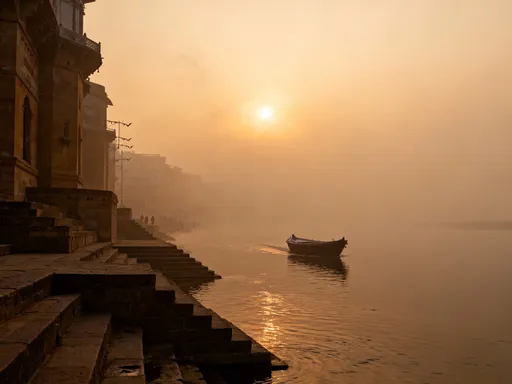
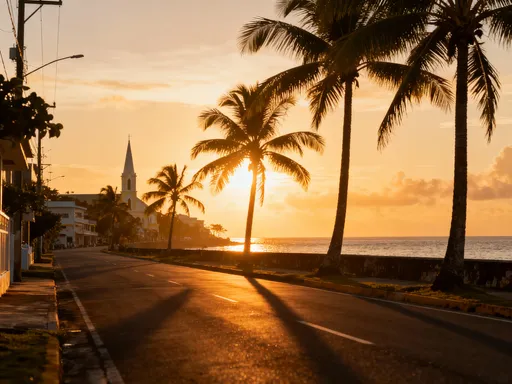
One of the most magical moments in Ziguinchor comes at golden hour, when the sun dips below the treetops and bathes the Casamance River in amber light. Floating downstream in a pirogue at this time, with the sky painted in hues of orange and purple, creates a sense of stillness that few places can match. The water reflects the clouds like a mirror, and the air carries the faint scent of woodsmoke and blooming flowers. In these quiet moments, the soul finds space to breathe—a rare gift in our fast-paced world.
Connecting With Culture Through Daily Life
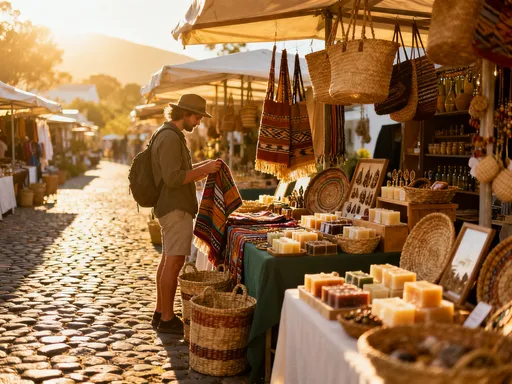
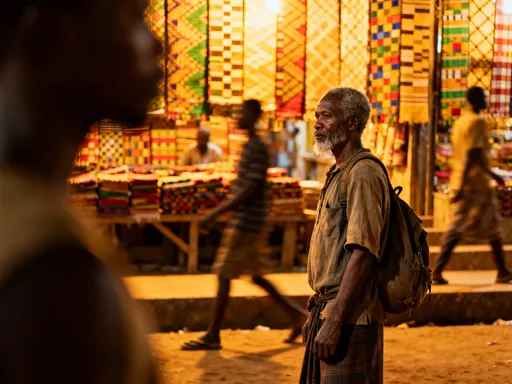
One of the most rewarding aspects of visiting Ziguinchor is the opportunity to engage with everyday life. The Grand Market, located in the heart of the city, is a vibrant hub of activity where locals gather to buy, sell, and socialize. Here, you’ll find towering piles of fresh produce—mangoes, papayas, plantains, and the region’s famous giant tomatoes—alongside baskets of smoked fish, dried spices, and handwoven textiles. The air is thick with the scent of grilled meat, ripe fruit, and the earthy aroma of palm oil.
Visitors are welcome to wander the aisles, and many vendors greet strangers with warm smiles. While French is commonly spoken, learning a few phrases in Wolof or Diola can open doors to deeper interaction. A simple “Nanga def?” (How are you?) or “Tombolo” (Thank you) often leads to laughter and conversation. Some women may invite you to taste a sample of *achoumbo*, a rich palm nut soup served with cassava or rice. Made from locally harvested palm kernels, this dish has a creamy texture and deep, slightly smoky flavor that lingers on the palate.
Food in Ziguinchor is more than sustenance—it’s a celebration of place and season. Meals are often shared communally, with dishes placed in the center of a table or mat. Smoked fish, caught daily from the river or ocean, is a staple, as are fresh coconuts, which are cracked open on the spot and served with a straw. Breakfast might include sweet millet porridge or fried plantains with hard-boiled eggs, while evenings often feature grilled chicken or goat seasoned with *soumbala*, a fermented condiment that adds depth to stews.
Interacting with locals requires patience and respect. Photography should always be approached with permission; a quick smile and gesture go a long way. Many villages welcome visitors through community-led tours, where guides share knowledge about farming, basket weaving, or traditional medicine. These experiences are not commercialized—they are invitations to learn. One of the simplest yet most meaningful customs is sharing tea. Prepared in three rounds—bitter, sweet, and sweeter still—this ritual symbolizes friendship and hospitality. To sit with a family over tea is to be accepted, even briefly, as part of their world.
Hidden Gems Only Locals Know About
Beyond the well-known attractions lie quiet treasures known primarily to residents. One such place is a secluded waterfall near Tendouck, accessible via a dirt path through secondary forest. The falls are modest in height but powerful in effect, plunging into a clear pool surrounded by smooth rocks and overhanging vines. Locals come here to swim, wash clothes, and rest during hot afternoons. For travelers, it’s a perfect spot to cool off, reflect, and enjoy the sounds of nature without crowds.
Another hidden gem is a family-run eco-lodge nestled along the riverbank, reachable by a short pirogue ride from the main road. Built using sustainable materials and powered by solar energy, the lodge offers simple but comfortable bungalows with panoramic views of the water. The owners grow much of their own food, serve home-cooked meals, and host workshops on craft-making and permaculture. Staying here supports local livelihoods and provides a model of responsible tourism in action.
On certain evenings, a weekly drum circle takes place in a small village outside Ziguinchor. Led by elders and open to curious visitors, the gathering begins with slow, steady beats that gradually build in complexity. Participants are encouraged to clap, sing, or simply listen. There is no stage, no audience—just a circle of people connected by rhythm. These moments, unscripted and heartfelt, embody the spirit of Casamance: inclusive, alive, and deeply human.
Accessing such places requires mindfulness. Travelers should follow local guidance, avoid loud behavior, and leave no trace. Respecting sacred groves, private land, and community rules ensures these spaces remain protected. The goal is not to exploit rarity but to honor it—to enjoy without disrupting, to observe without intruding.
Challenges and How to Navigate Them Thoughtfully
Traveling in Ziguinchor comes with certain challenges, but understanding them in advance allows for smoother, more respectful experiences. Infrastructure is limited: internet access is spotty, ATMs are few, and road signs are often absent or faded. This can be disorienting for those accustomed to digital navigation and instant communication. However, these limitations also create space for presence—engaging with people face-to-face, asking for directions, and embracing uncertainty as part of the journey.
Language is another consideration. While French is the official language and widely used in business, many rural residents speak Wolof or Diola as their first language. Learning basic greetings, numbers, and polite expressions can greatly enhance interactions. Simple tools like phrasebooks or translation apps (downloaded for offline use) are helpful. Locals appreciate the effort, even if pronunciation isn’t perfect.
Cultural sensitivity is essential. Dressing modestly—covering shoulders and knees—is respectful, especially in villages and religious sites. Before entering a compound or photographing a ceremony, it’s important to ask permission. Sacred spaces, such as ancestral shrines or forest groves, are not tourist attractions; they are places of spiritual significance and should be treated with reverence.
Environmental awareness is equally important. Plastic waste is a growing concern, particularly along waterways. Travelers can help by carrying reusable bottles, refusing single-use packaging, and disposing of trash responsibly. Supporting eco-friendly businesses, choosing reusable bags, and minimizing plastic use contribute to the preservation of Casamance’s natural beauty. River conservation efforts, often led by local NGOs, welcome volunteers and donors who wish to make a lasting impact.
Why This Journey Stays With You – The Deeper Impact of Real Travel
The true value of visiting Ziguinchor lies not in the photos taken or the sites checked off, but in the internal shifts that occur along the way. Slowing down, listening more, and consuming less become natural responses to the rhythm of life here. In a world that often equates travel with speed and efficiency, Ziguinchor teaches the power of presence. It redefines what it means to see a place—not as a checklist, but as a living, breathing entity with stories to tell.
This journey changes how we think about connection. It reminds us that humanity thrives in simplicity, in shared meals, in moments of silence by the water, in the warmth of a handshake offered without expectation. The people of Casamance do not need to perform their culture to prove its worth; it speaks for itself through their daily lives. To witness this is to remember that authenticity is not something to be manufactured—it is something to be protected, honored, and lived.
Supporting community-based tourism initiatives ensures that economic benefits stay within the region. Whether staying in a family-run lodge, buying handmade crafts, or joining a locally guided tour, every choice contributes to sustainable development. These models empower residents, preserve traditions, and offer travelers a more meaningful exchange than mass tourism ever could.
In the end, travel is not about escape. It is about connection—between people, places, and values. Ziguinchor invites us to look beyond the surface, to seek depth, to listen with humility, and to let a place change us. It challenges the notion that the best destinations are the most famous ones, suggesting instead that the most memorable journeys are those that touch the soul.
So if you’re ready to step off the script, to trade spectacle for sincerity, to let Senegal surprise you—then pack light, open your heart, and go. The real Casamance is waiting.