You Won’t Believe These Hidden Gems in Kathmandu
Kathmandu is more than ancient temples and crowded streets—it’s a city where mountain views meet vibrant culture in the most unexpected ways. I wandered through back alleys, climbed quiet hilltops, and stumbled upon scenic spots most travelers miss. From golden sunrises over stupas to peaceful gardens hidden in the chaos, Kathmandu’s beauty is real, raw, and absolutely worth discovering. This is not just a place to check off a bucket list, but a destination that invites slow, intentional exploration. Beyond the well-trodden paths of Thamel and Durbar Square lies a quieter, more intimate Nepal—one where every alleyway whispers history and every hilltop offers a new perspective. In this journey, we’ll uncover moments of stillness, artistry, and natural wonder that reveal the soul of the capital.
The Magic of Kathmandu Beyond the Guidebooks
Kathmandu has long been celebrated as the spiritual and cultural heart of Nepal. Nestled in a valley surrounded by the Himalayas, the city pulses with life—its streets lined with centuries-old temples, bustling markets, and the constant hum of motorbikes weaving through narrow lanes. Most travelers arrive with guidebooks in hand, eager to visit the iconic Swayambhunath, Boudhanath, and the royal squares of Kathmandu, Patan, and Bhaktapur. These sites are undeniably magnificent, but they represent only one layer of the city’s rich tapestry. The true magic often lies beyond these landmarks, in the quiet corners where daily life unfolds away from the camera lenses.
What makes Kathmandu truly special is its ability to surprise. A turn down an unmarked alley might lead to a centuries-old water spout still used by locals, or a hidden courtyard where elders gather in the morning sun. These are the experiences that shift the way we travel—not as observers, but as participants in a living culture. When we step off the main roads and allow ourselves to wander without a fixed itinerary, we begin to see Kathmandu not as a checklist, but as a story still being written. The city rewards curiosity, patience, and respect.
Authentic moments matter because they create lasting memories. A shared smile with a shopkeeper, the sound of temple bells at dusk, or the scent of incense drifting through a quiet shrine—these sensory details linger long after the trip ends. They remind us that travel is not just about seeing new places, but about feeling connected to them. By choosing to explore beyond the obvious, we engage more deeply with the local rhythm, support small communities, and gain a richer understanding of what life is like in this dynamic city. It’s in these unplanned interactions that the essence of Kathmandu reveals itself.
Swayambhunath at Sunrise: A Moment That Took My Breath Away
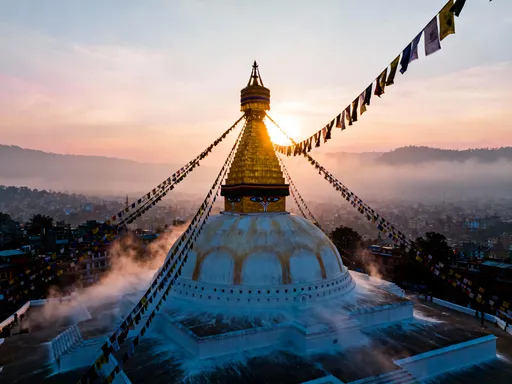
One of the most unforgettable experiences in Kathmandu is visiting Swayambhunath, commonly known as the Monkey Temple, at sunrise. Perched atop a green hill west of the city center, this ancient stupa is a symbol of spiritual harmony and one of the oldest religious sites in Nepal. Most visitors arrive in the late morning, when the site is alive with pilgrims, tourists, and the playful presence of monkeys leaping between rooftops. But arriving early—just before dawn—transforms the experience entirely. The air is cool, the light soft, and the atmosphere serene.
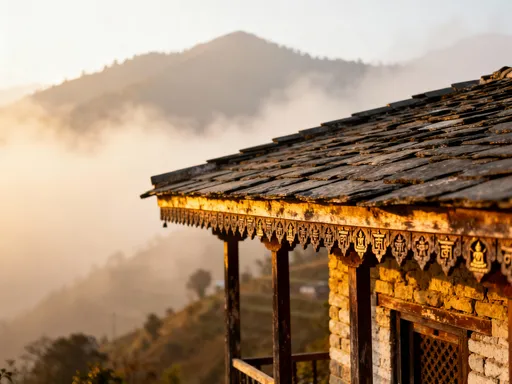
As the first golden rays spill over the valley, the golden spire of the stupa catches the light, glowing like a beacon. The eyes of the Buddha, painted on all four sides of the tower, seem to watch the waking world with quiet wisdom. Prayer flags, strung across the hilltop, flutter gently in the morning breeze, carrying mantras into the sky. The scent of butter lamps and sandalwood lingers in the air, mingling with the earthy smell of damp stone. There are no crowds yet, just a few monks in maroon robes circling the stupa, their prayer beads clicking softly. In this stillness, the spiritual energy of the place feels almost tangible.
For photographers and mindful travelers alike, timing is everything. To witness this moment, plan to arrive around 5:30 a.m., depending on the season. The climb up the 365 steps from the base can be steep, so wear comfortable shoes and carry a light jacket. Early morning also means fewer distractions—no hawkers, no loud conversations, just pure presence. Bring a small offering if you wish to participate in the ritual, such as a butter lamp or a few rupees for the donation box. This is not just a sight to see, but a moment to absorb. When the sun fully rises and illuminates the Kathmandu Valley below, you’ll understand why this place has drawn seekers for over a thousand years.
Patan Durbar Square: Where Every Carving Tells a Story
Just across the Bagmati River from central Kathmandu lies Patan, a city of extraordinary craftsmanship and quiet dignity. Its Durbar Square, a UNESCO World Heritage Site, is one of the finest examples of Newari architecture in the world. Unlike the more commercialized areas of the capital, Patan retains a sense of calm, where time seems to slow and every detail invites closer inspection. The square is a maze of temples, courtyards, and palaces, each adorned with intricate wood carvings, metalwork, and stone sculptures that speak of a deep artistic legacy.
Walking through Patan Durbar Square is like stepping into an open-air museum of devotion and design. The Krishna Mandir, a stone temple shaped like a Shikhara, stands with geometric precision, its walls covered in carvings of deities and mythological scenes. Nearby, the golden gateway of the Royal Palace is a masterpiece of repoussé work, where every leaf and deity has been hammered into thin metal with astonishing detail. Even the struts beneath temple eaves feature tiny wooden sculptures of goddesses, each unique and centuries old. These are not just decorative elements—they are prayers in wood and stone, expressions of faith passed down through generations.
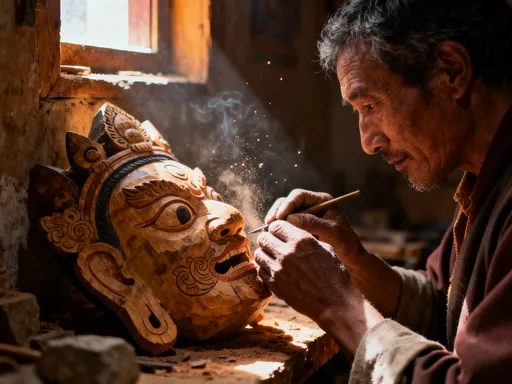
To explore Patan mindfully is to move slowly and with intention. Instead of rushing from one temple to the next, take time to sit on a stone bench and observe. Watch as local families light incense at family shrines, or as artisans in nearby courtyards carve wood and mold metal using techniques unchanged for centuries. Many of these craftsmen welcome visitors into their workshops, offering a rare glimpse into the living traditions that sustain Patan’s cultural identity. By purchasing a small handmade item or simply showing respectful interest, travelers can contribute to the preservation of these endangered arts.
The 2015 earthquake caused significant damage to parts of the square, but reconstruction efforts have been ongoing with care and authenticity. Visitors can often see restoration work in progress, a reminder that heritage is not frozen in time, but constantly nurtured. By supporting local guides, staying in family-run guesthouses, and visiting during off-peak hours, travelers help ensure that tourism benefits the community directly. In Patan, beauty is not just seen—it is felt, honored, and kept alive.
Godavari Botanical Garden – Nature’s Escape on the City’s Edge
For travelers seeking respite from the sensory overload of Kathmandu’s streets, the Godavari Botanical Garden offers a refreshing sanctuary just a short drive south of the city. Located at the base of Phulchoki, the highest hill in the Kathmandu Valley, this tranquil park was established in the 1960s to preserve native plant species and promote environmental education. Today, it remains a peaceful retreat where nature and serenity take center stage.
The garden spans over 26 hectares and features well-maintained walking trails that wind through lush greenery, bamboo groves, and flowerbeds bursting with seasonal color. Rhododendrons, orchids, and magnolias bloom in their time, painting the landscape in soft pinks, purples, and whites. Birdwatchers will appreciate the diversity of species—colorful bulbuls, sunbirds, and even the occasional Himalayan griffon can be spotted here. The air is noticeably cleaner, scented with pine and damp earth, and the only sounds are the rustle of leaves and the distant call of cuckoos.
One of the garden’s greatest gifts is its panoramic view. From the upper terraces, visitors can gaze across the entire Kathmandu Valley, with the city’s skyline blending into the surrounding hills. On clear mornings, the snow-capped peaks of the Langtang range emerge in the distance, a breathtaking reminder of the mountains that cradle this region. Benches are thoughtfully placed along the paths, inviting quiet reflection or a simple pause with a book or sketchpad.
What makes Godavari especially valuable is its role as a green lung in an increasingly urbanized area. It’s a place where families picnic on weekends, school groups learn about conservation, and solo travelers recharge their spirits. Entry is modest, and the atmosphere remains uncommercialized—there are no loud vendors or souvenir stalls, just the quiet dignity of nature preserved. Whether you spend an hour or a full morning here, the garden offers a gentle reset, a chance to breathe deeply and reconnect with the natural world before returning to the city’s rhythm.
Nagarkot: The Hilltop View That Changed My Perspective
Just 30 kilometers east of Kathmandu, the village of Nagarkot sits perched on a ridge at 2,195 meters, offering one of the most spectacular Himalayan panoramas in the region. While it has become a popular destination for both locals and tourists, its appeal is undeniable—especially at dawn, when the first light paints the snow-capped peaks in shades of rose and gold. On a clear day, the view stretches across the entire eastern Himalaya, with Langtang, Ganesh Himal, and even the distant summit of Mount Everest visible in the horizon.
The journey to Nagarkot takes about an hour by car, winding through terraced fields and small hillside villages. As the elevation rises, the air cools and the city’s noise fades. Many visitors choose to stay overnight in one of the guesthouses or eco-resorts that line the ridge, ensuring they don’t miss the sunrise. Booking a room with a mountain-facing balcony is highly recommended—waking up to that view is an experience few forget. The stillness of the early morning, broken only by the occasional crow of a rooster or the chime of a temple bell, adds to the sense of awe.
While the view is the main attraction, Nagarkot also offers short hiking trails through pine forests and traditional Gurung and Tamang villages. These walks provide a glimpse into rural Nepali life, where farmers tend their fields by hand and children walk to school along dirt paths. Some guesthouses organize cultural programs in the evening, featuring local music and dance, allowing visitors to connect with the community beyond the scenic backdrop.
To make the most of a visit, check the weather forecast in advance—cloud cover can obscure the mountains, especially during the monsoon season. November to February offers the clearest skies and best visibility. Travelers concerned about traffic or road conditions may consider hiring a private vehicle or joining a small-group tour from Kathmandu. Regardless of how you arrive, the moment the sun rises over the Himalayas, casting long shadows across the valleys, you’ll understand why Nagarkot continues to captivate hearts. It’s not just a viewpoint—it’s a perspective shift, a reminder of nature’s grandeur and our small, precious place within it.
Hidden Courtyards and Quiet Temples in Old Kathmandu
While the major temples and squares draw the crowds, some of Kathmandu’s most moving experiences are found in its lesser-known courtyards and neighborhood shrines. These quiet spaces, often tucked behind unassuming doorways or at the end of narrow alleys, offer a different kind of spiritual encounter—one defined by intimacy rather than spectacle. Kumbeshwar Temple in Patan, for example, is one of the largest and oldest Shiva temples in Nepal, yet it sees far fewer visitors than its more famous counterparts. Its five-tiered pagoda and surrounding courtyard, with its sacred pond, exude a sense of timelessness.
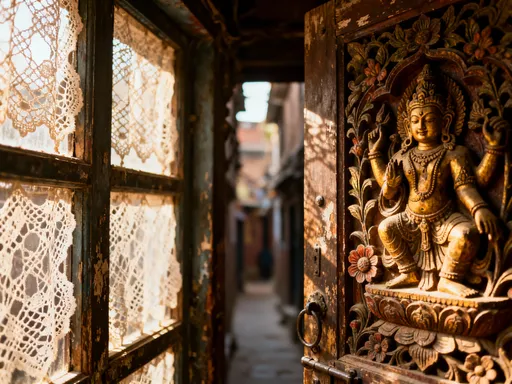
Another hidden gem is Jaya Bageshori Temple, located in a quiet part of Kathmandu. Surrounded by old Newari houses with intricately carved windows, this small shrine dedicated to a local goddess maintains a peaceful energy. Women in saris come daily to offer flowers and light oil lamps, their prayers whispered rather than proclaimed. There are no ticket booths, no guided tours—just the quiet rhythm of devotion. These spaces remind us that spirituality in Nepal is not always performative; often, it is personal, quiet, and deeply rooted in daily life.
Wandering without a map through the old quarters of Kathmandu can lead to beautiful discoveries. You might stumble upon a sunlit courtyard where children play near a centuries-old water spout, or a small shrine where an old man rings a bell and folds his hands in prayer. These moments are not staged for tourists—they are real, unfiltered glimpses into the soul of the city. To experience them respectfully, remember to dress modestly, speak softly, and never enter restricted areas. A simple nod or “namaste” goes a long way in showing appreciation.
These hidden temples and courtyards are not just scenic—they are sacred. They represent the living heart of Kathmandu, where tradition and community continue to thrive. By visiting them with humility and awareness, travelers honor not only the places but the people who cherish them. In these quiet corners, the city reveals its depth, inviting us to slow down, observe, and simply be.
How to Experience Kathmandu Like a Local Explorer
Traveling through Kathmandu becomes truly meaningful when we move beyond the role of spectator and embrace the mindset of a local explorer. This doesn’t require special skills—just curiosity, respect, and a willingness to engage. One of the simplest ways to connect with the city is by using public transport. Riding a local bus or a shared jeep offers a real sense of daily life, from the rhythm of conversations to the sights and sounds of neighborhoods most tourists never see. While it may feel unfamiliar at first, it’s also one of the most authentic ways to experience the city’s pulse.
Eating like a local transforms the journey as well. Instead of sticking to tourist restaurants, seek out small neighborhood eateries—“bhattis” or family-run cafes—where dal bhat, momos, and sel roti are served on metal plates. These meals are not only delicious and affordable but also an opportunity to interact with residents. A smile and a few Nepali phrases—“Dhanyabad” (thank you), “Kasto cha?” (how are you?)—can open doors to friendly conversations and unexpected invitations.
Walking is perhaps the most rewarding way to explore. Set aside time to wander without a destination, letting the city guide you. You might find a flower market at dawn, a group of students practicing dance for a festival, or an elderly artisan repairing a wooden window frame. These unplanned moments often become the most cherished memories. Carrying a reusable water bottle, dressing modestly, and being mindful of sacred spaces are small actions that show respect and help preserve the places you visit.
Ultimately, experiencing Kathmandu like a local means slowing down, listening more, and consuming less. It’s about valuing connection over convenience and presence over photos. When we travel this way, we don’t just see the city—we begin to feel it. And in that feeling, we find a deeper, more lasting kind of wonder.
Kathmandu isn’t just a destination—it’s a feeling. Between its historic heart and quiet corners, there’s a rhythm that draws you in. These scenic spots aren’t just beautiful; they’re gateways to deeper connection, offering moments of awe amid everyday life. From the silent glow of a sunrise at Swayambhunath to the intricate carvings of Patan and the mountain vistas of Nagarkot, each experience adds a layer to the story of this remarkable city. Even in its busiest streets, there is stillness to be found—in a temple courtyard, a garden path, or a shared smile with a stranger. With mindful choices and open eyes, your journey through Kathmandu can become something truly unforgettable. It’s not about seeing everything, but about feeling what matters. And in that feeling, the city reveals its true magic.