You Won’t Believe These Hidden Cultural Gems in Dallas
When you think of Dallas, big cowboy hats and skyscrapers might come to mind—but there’s so much more beneath the surface. I stumbled upon a side of this city that most tourists miss: quiet art alleys, family-run soul food spots, and neighborhood festivals bursting with local pride. This isn’t the flashy Dallas you’ve seen online. It’s real, raw, and deeply cultural. If you're looking for authentic experiences off the beaten path, keep reading—this is the Dallas adventure no one tells you about.
Beyond Cowboys: Rediscovering Dallas Culture
Dallas is often portrayed as a city of polished surfaces—gleaming office towers, high-end shopping districts, and the unmistakable silhouette of cowboy boots at every tourist stop. While these icons have their place, they only tell part of the story. Behind the postcard image lies a layered cultural landscape shaped by generations of families, artists, and community leaders who have nurtured traditions far from the spotlight. The true heartbeat of Dallas doesn’t pulse in convention centers or chain restaurants; it lives in backyard barbecues where gospel music floats on smoky air, in murals painted by teenagers who see art as resistance, and in neighborhood libraries where elders gather to share stories in Spanish, English, and Vietnamese.
Travelers who shift their focus from the expected to the authentic discover a city that rewards curiosity. Rather than chasing famous landmarks, they find meaning in moments—like watching a grandmother teach her granddaughter how to fold tamales at a weekend market, or hearing a blues guitarist play beneath a flickering streetlamp in a quiet alley. These experiences aren’t staged for visitors; they’re part of daily life. This authenticity transforms a simple trip into a deeper connection. When culture is lived rather than performed, it invites genuine engagement. It encourages questions, fosters respect, and leaves lasting impressions that glossy brochures can’t replicate.
Exploring Dallas through this lens means embracing a slower pace. It means walking instead of driving, listening more than speaking, and allowing space for unexpected encounters. A meaningful cultural experience doesn’t require a ticket or a tour guide—it begins with openness. By stepping beyond the stereotypes, travelers uncover a Dallas that is diverse, resilient, and deeply human. This is not a city defined by one identity, but by many—woven together through food, music, faith, and shared history. The journey starts not with a map, but with a mindset: look closely, listen carefully, and let the city reveal itself in its own time.
Deep Roots in Deep Ellum: Art, Music, and Underground Vibes
Once a hub for railroads and manufacturing, Deep Ellum has evolved into one of Dallas’ most vibrant cultural districts. The neighborhood’s name, believed to be a phonetic twist on “Deep Elm,” reflects its roots in African American music and storytelling. Today, its brick-lined streets echo with the same creative energy that once drew legendary blues musicians like Blind Lemon Jefferson. But this isn’t nostalgia—it’s a living, breathing arts scene that continues to grow. Walls once covered in grime are now canvases for massive murals, each telling a story of identity, resistance, and hope. From abstract geometric designs to portraits of local heroes, the street art here transforms ordinary alleys into open-air galleries.
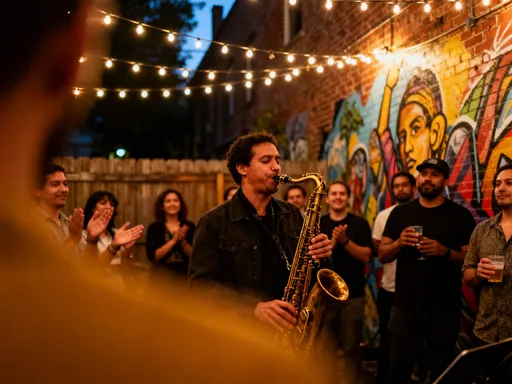
At night, the district comes alive with music spilling from intimate venues. You might stumble upon a jazz trio playing in a repurposed warehouse, their notes bouncing off exposed beams and brick walls. Unlike polished concert halls, these spaces feel personal—sometimes the musicians are just feet away, sharing stories between songs. Venues like the Bomb Factory and Trees have hosted national acts, but the real magic happens in smaller spots: a pop-up performance in a corner bar, a poetry slam in a backroom gallery, or a DJ set beneath string lights in a parking lot turned dance floor. These moments aren’t curated for tourists; they’re part of the neighborhood’s rhythm.
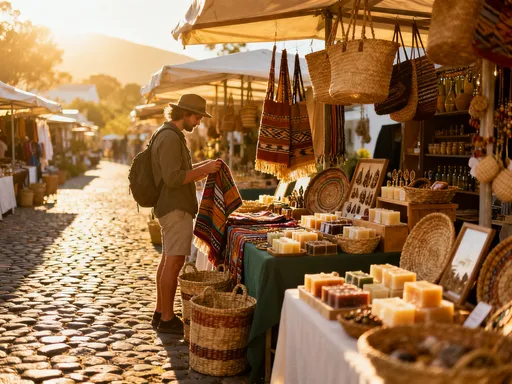
For visitors, the best time to explore Deep Ellum is on a weekend evening, especially during First Thursdays, when galleries open their doors and artists display new work. Parking can be tricky, but public transit options like the DART light rail make access easier. The Pearl Station drops you steps from the heart of the action. Instead of rushing from place to place, take time to wander. Talk to gallery owners, ask about the artists, and let yourself get lost in the details. Look for pop-up markets featuring handmade jewelry, screen-printed shirts, and local art—perfect for souvenirs with soul. Deep Ellum isn’t just a destination; it’s an invitation to witness creativity in its most unfiltered form.
A Taste of Home: Family-Run Eateries with Soul
In Dallas, food is more than nourishment—it’s memory, heritage, and love served on a plate. While chain restaurants dominate the skyline, the city’s true culinary soul lives in modest storefronts tucked into residential corners. These are the places where recipes have been passed down through generations, where the owner greets regulars by name, and where the scent of slow-cooked greens and smoked meat lingers in the air. One such spot is a small soul food diner in South Dallas, where the owner, a woman in her sixties, still cooks everything by hand. Her cornbread, golden and slightly sweet, is made from a recipe her grandmother used in rural East Texas. The fried chicken—crispy outside, juicy within—is served on red-checkered paper, just like in her childhood kitchen.
Another hidden gem is a family-owned taqueria in Oak Cliff, where abuela stands at the counter shaping tortillas by hand every morning. The menu is simple: carne asada, al pastor, and homemade salsas that range from mild to eye-watering. Customers line up early, not just for the food, but for the warmth. The children of the family take orders, the grandfather slices onions with practiced precision, and laughter fills the space between sips of horchata. These meals aren’t fast; they’re made with intention. Every bite carries the weight of tradition and the pride of a family preserving its roots.
For travelers, finding these places requires stepping off the beaten path. Skip the food apps that prioritize visibility and instead ask locals—baristas, librarians, or shopkeepers—where they eat on a Sunday afternoon. Neighborhood food walks, led by Dallas residents, offer another way to explore. These guided tours focus on cultural storytelling as much as taste, explaining how West African, Mexican, and Southern traditions have shaped the city’s palate. Whether it’s a plate of smothered pork chops, a warm empanada filled with spiced beef, or a slice of sweet potato pie, the meal becomes a bridge to understanding. In Dallas, eating at a family-run restaurant isn’t just about flavor—it’s about connection.
Cultural Threads in Oak Cliff: History, Faith, and Community
Just south of downtown, Oak Cliff stands as one of Dallas’ most historically rich and culturally diverse neighborhoods. Its streets reflect decades of change, shaped by African American, Mexican American, and immigrant communities who have built lives here across generations. Churches with tall steeples and brightly painted storefronts stand side by side, each serving as a center of faith, gathering, and resilience. Many of these congregations have played quiet but vital roles in the city’s social fabric, hosting youth programs, food drives, and cultural events that strengthen neighborhood bonds.
One historic church, established in the early 1900s, continues to draw crowds every Sunday with its powerful gospel choir. The music swells through the sanctuary, lifting voices in harmony that echo with both joy and struggle. Outside, parishioners greet one another like family, sharing updates and laughter before heading to the fellowship hall for a communal meal. These gatherings are more than religious observance—they are acts of cultural preservation. Stories are passed down, traditions honored, and young people reminded of where they come from.
Oak Cliff is also home to small, independent museums and cultural centers that celebrate local heritage. One such space honors the legacy of Black musicians who once performed in the neighborhood’s jazz clubs. Another highlights the contributions of Mexican American families who helped build the area’s schools and businesses. These institutions are often volunteer-run and underfunded, yet they remain vital. They host Juneteenth celebrations with drum circles, traditional dance, and storytelling sessions that draw families from across the city. These events are not spectacles for outsiders; they are affirmations of identity and continuity. For visitors, attending such a gathering is a privilege—one that requires humility and respect. The goal isn’t to observe, but to listen, learn, and honor the community’s space.
Hidden Stages and Backyard Theaters: Where Performance Comes Alive
Dallas has no shortage of grand theaters and touring Broadway shows, but some of the most moving performances happen in places you’d easily walk past. In a quiet park in North Oak Cliff, a small theater company stages Shakespeare under the stars, using minimal sets and natural light. The audience sits on blankets and folding chairs, children curled up beside parents, as actors in simple costumes bring centuries-old words to life. There’s no amplification, no flashy effects—just voice, emotion, and the occasional cricket chirping in the background. These moments feel sacred, not because they’re perfect, but because they’re real.
Elsewhere, a converted garage in East Dallas serves as a home for experimental theater and spoken word. The space is intimate—no more than fifty seats—so every facial expression, every pause, is felt by the audience. Performances often tackle themes of identity, belonging, and resilience, drawing from the lived experiences of local artists. After the show, the cast mingles with guests, sipping tea and discussing the work. It’s not uncommon for someone in the audience to share their own story, turning the evening into a dialogue rather than a monologue.
These grassroots performances thrive because they’re rooted in community. They’re not designed for viral moments or ticket sales; they exist because people need to tell their stories. For travelers, attending one of these shows offers a rare glimpse into the city’s creative soul. It’s a reminder that art doesn’t need a marquee to matter. Whether it’s a solo dance piece in a church basement, a folk concert in a community garden, or a poetry night at a neighborhood café, these events foster connection. They invite you not just to watch, but to witness. And in that witnessing, you become part of something larger—a shared human experience that transcends place and time.
Neighborhood Festivals: When the City Breathes as One
Every year, Dallas comes alive with festivals that pulse with local spirit. While the State Fair draws millions, smaller neighborhood celebrations offer a more intimate look at the city’s cultural heartbeat. The Bishop Arts District Festival, held each fall, transforms a tree-lined street into a vibrant marketplace of handmade crafts, live music, and food trucks serving everything from Korean barbecue tacos to peach cobbler. Artists set up booths beneath colorful canopies, children paint murals on large sheets of paper, and couples dance to a zydeco band under string lights. There’s no corporate branding, no mass-produced souvenirs—just the energy of a community sharing its gifts.
Another highlight is the Juneteenth celebration in South Dallas, one of the oldest and most heartfelt observances in the city. Families gather in a sprawling park, spreading out picnic blankets and grilling traditional foods. Elders sit in shaded areas, fanning themselves and sharing memories, while youth perform step routines and recite poetry. Vendors sell African-inspired clothing, hand-carved jewelry, and books by Black authors. The atmosphere is joyful, reflective, and deeply communal. For visitors, participation means more than taking photos—it means respecting the significance of the day. Bringing a dish to share, listening to a speaker, or simply sitting quietly in gratitude are all meaningful ways to engage.
These festivals are not curated for tourism; they grow from within. They reflect pride, remembrance, and the simple joy of being together. For travelers, attending one offers a rare opportunity to experience Dallas as locals do. Practical tips include arriving early for parking, bringing cash for small vendors, and wearing comfortable shoes. Most importantly, come with an open heart. Smile, say hello, and let yourself be welcomed. The best moments often happen unplanned—a shared laugh with a stranger, a spontaneous dance, a child offering you a hand-painted bracelet. In these small exchanges, the city reveals its true character.
Traveler’s Guide to Authentic Connection
Finding Dallas’ hidden cultural gems requires a different kind of travel—one guided not by algorithms, but by curiosity and respect. Start by stepping away from the most popular search results. Instead of relying solely on apps, visit a local library or community center and strike up a conversation. Librarians often know about upcoming events, local artists, and under-the-radar spots that never make it online. Ask questions like, “Where do you go to hear live music?” or “What’s your favorite place to eat on a Sunday?” These simple inquiries can lead to unexpected invitations and genuine connections.
When exploring, move slowly. Allow time to linger in parks, sit on benches, and observe daily life. Notice the details: a hand-painted sign in a family-owned store, the rhythm of a conversation in a different language, the way sunlight hits a mural in the late afternoon. These moments build a deeper understanding of place. Avoid treating neighborhoods as photo backdrops. Instead of snapping pictures without context, ask permission when appropriate and take time to learn the story behind what you’re seeing. Respect private spaces, sacred sites, and cultural traditions. If you’re attending a community event, follow the lead of locals—when to clap, when to be quiet, how to participate without overstepping.
Remember, authenticity isn’t about finding the “most exotic” spot—it’s about showing up with humility. Travelers who approach Dallas with a willingness to listen and learn often leave with more than memories; they carry a renewed sense of connection to people and place. Cultural exploration is not a checklist, but a journey of mutual understanding. It reminds us that every city has layers, and the most meaningful experiences come not from seeing, but from feeling. So the next time you visit Dallas, skip the selfie stick and the tour bus. Walk a little farther, talk to someone new, and let the city surprise you. Because beneath the surface, in the quiet corners and backyard stages, Dallas is waiting to share its soul.